Phishing is a scam where fraudsters impersonate trusted entities to steal your data. Read this article to learn how to recognize and avoid these traps.
Key Points
- Phishing is an online scam technique that uses psychological manipulation to obtain personal information from victims.
- There are several forms of phishing, including spear phishing, whaling and vishing, each targeting specific individuals or groups with sophisticated methods.
- To protect against phishing, it is essential to use anti-spam filters, keep security software up to date, and enable multi-factor authentication on online accounts.
What is phishing?
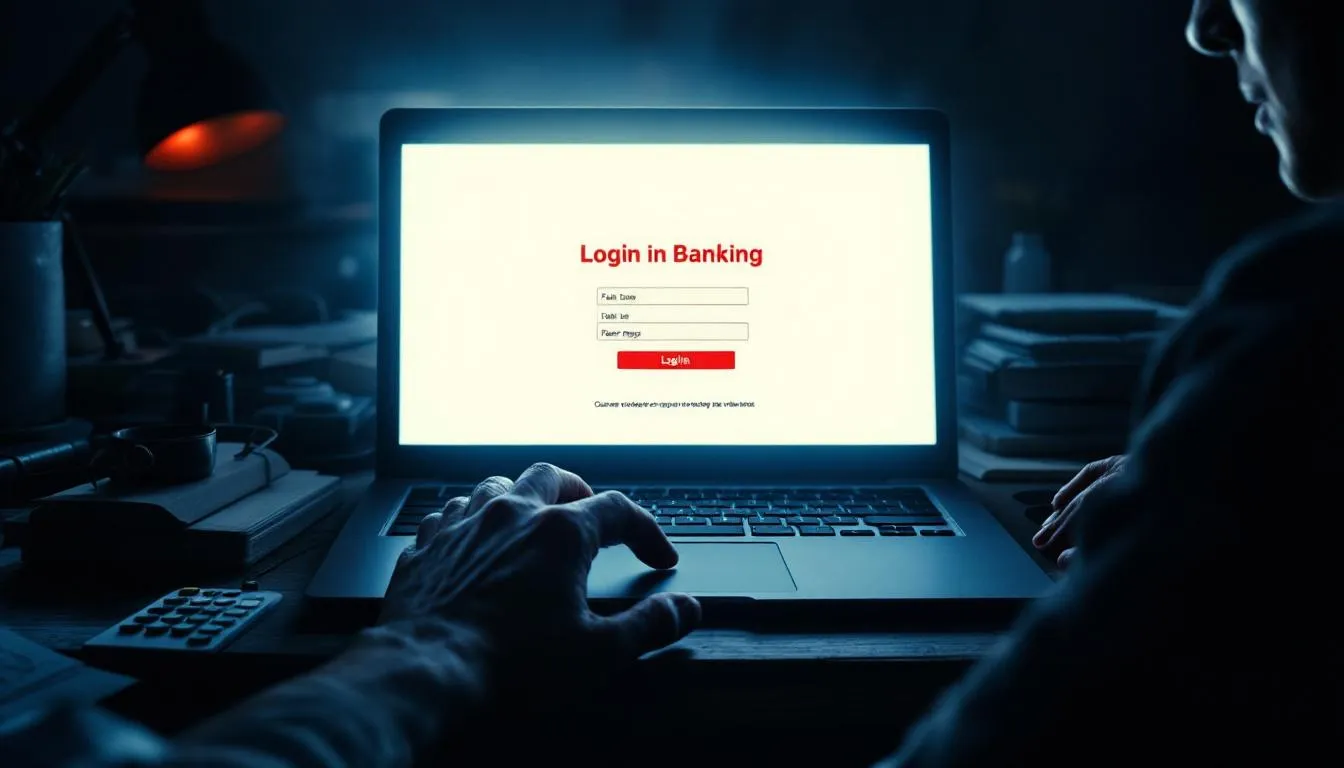
Phishing is an online scam where a fraudster impersonates a trusted organization to obtain personal information. This fraudulent technique can manifest itself through:
- SMS
- instant message
- phone calls
- social networks
Phishing messages are often designed to sound urgent and alarming, enticing victims to click on links or provide sensitive information. Attackers exploit human psychology, playing on trust and fear, making phishing particularly effective.
Anyone can be targeted by phishing, from executives and social media users to banking customers. It's essential to understand that phishing can affect anyone and that it's crucial to remain vigilant against any phishing attempt.
Fraudsters use messages that appear to come from legitimate sources to scam victims and obtain their personal information.
How phishing works
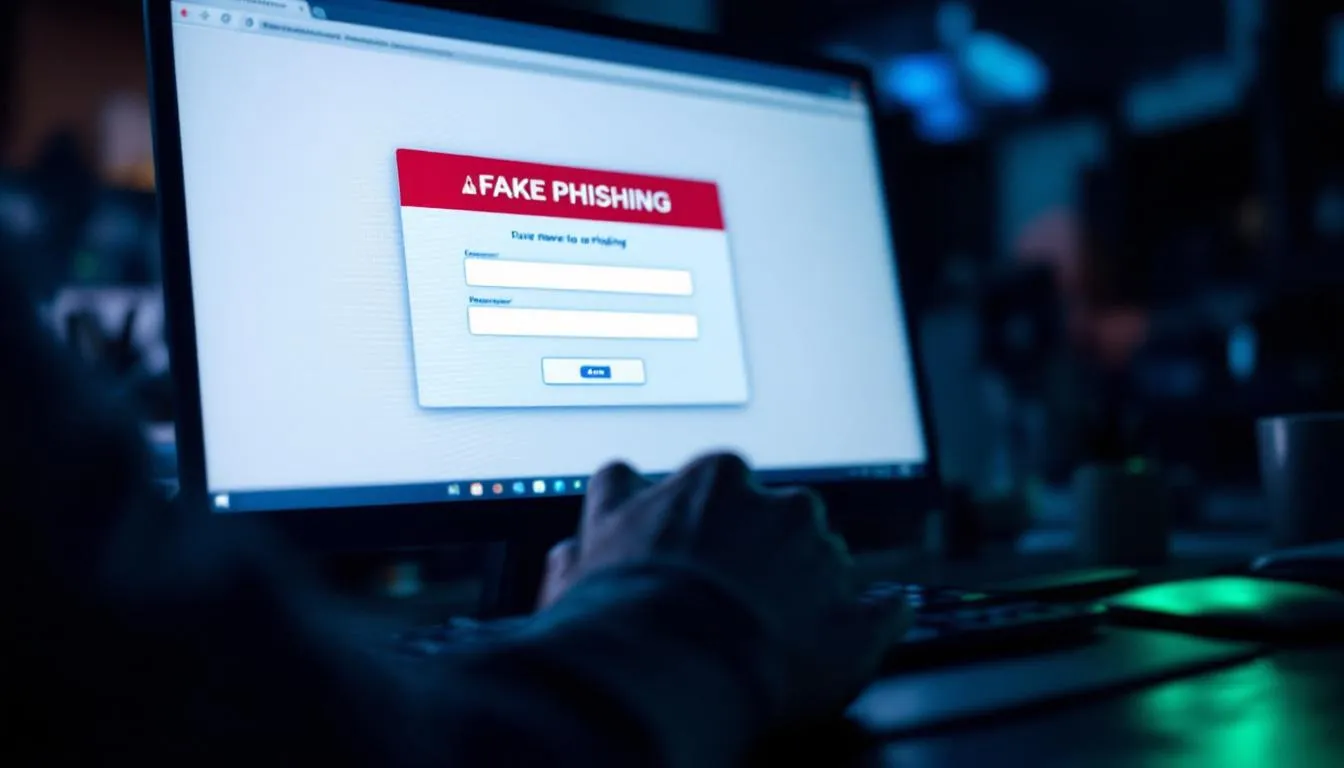
Phishing often takes the form of emails, phone calls, or text messages that trick victims into providing personal information. Attackers use social engineering techniques to manipulate their targets and pressure them into taking quick action. Phishing messages are often accompanied by a sense of urgency to entice victims to click on malicious links without thinking.
Email phishing remains the most common method, although other forms are gaining popularity:
- Vishing (voice phishing)
- Smishing (phishing by SMS)
- Multichannel phishing, which uses various media such as emails, SMS, phone calls and social networks
Attack techniques are constantly evolving to adapt to new trends and security infrastructures.
One sophisticated phishing method is the Man-in-the-Middle attack, where the attacker intercepts the user's interactions with a legitimate website, thus facilitating the theft of sensitive data. This variety of methods clearly demonstrates the ingenuity of fraudsters and the need to remain constantly vigilant.
Signs of a phishing message
Recognizing a phishing message is crucial for protecting yourself. Offers that seem too good to be true or urgent are often indicators of a phishing message. Sender email addresses that don't match the legitimate sender are also a red flag. Any suspicious email address should be carefully checked.
Phishing messages typically ask victims to confirm or update their personal information. They often use the logos and names of well-known organizations to deceive victims and appear credible. Unexpected requests for personal information should always raise suspicion.
A suspicious email may contain unusual graphics or an unprofessional layout. Attackers use these elements to make their messages appear legitimate, but increased vigilance can help identify these scam attempts.
Common types of phishing attacks

Phishing attacks can take many forms. Opportunistic attacks, which target a wide range of recipients without personalization, are common. By 2025, approximately 3.4 billion phishing emails are sent daily, representing 1.2 trillion of all global email traffic.
These attacks often aim to steal login information via fake login sites, a real scam.
Spear phishing
Spear phishing is a targeted email attack that uses personalized messages to target specific individuals. This technique involves prior research on the target to personalize the messages and increase the attack's chances of success.
Whaling
Whaling is a form of phishing that targets executives to obtain sensitive information. These attacks often take the form of fraudulent emails that appear to come from a senior manager.
The objective of whaling attacks is to:
- Targeting high-level individuals to obtain personal or professional information.
- Use common scenarios, for example an email request from the CEO for a funds transfer.
- They are usually carried out by advanced criminal organizations.
Vishing
Vishing, or voice phishing, is a method where attackers use caller IDs from trusted organizations to deceive victims.
Attackers often exchange a legitimate link or attachment for a malicious one to impersonate a trusted organization.
How to protect yourself against phishing

To protect yourself against phishing, using spam filters can reduce the number of unwanted emails you receive. It's also important to keep your antivirus software up to date to protect your device from threats.
Enable two-factor authentication to enhance the security of your online accounts. Multi-factor authentication (MFA) requires multiple pieces of information to access an account, adding an extra layer of security.
What to do in case of a phishing attempt
If you receive a phishing attempt, here are the precautions to take:
- Never share personal information by email or phone.
- Verify that the website address is secure before sharing anything.
- If the website address does not match the expected one, do not provide any information.
- Close the page immediately.
It is crucial to keep all evidence of phishing messages and to provide as much information as possible when reporting them. In France, you can report a suspicious SMS to the free telephone number 33700.
Change your passwords immediately on all sites where you have used a compromised password.
Testimonies from phishing victims
One striking account tells of a car buyer who, after being scammed by a fake seller, discovered that there was no transfer for the €14,000 payment. Feelings of guilt are common among victims, who often realize too late the mistakes that made them vulnerable to fraud.
These accounts highlight the importance of staying vigilant and informed. Victims often share their advice and experiences to help others avoid the same pitfalls.
Phishing statistics in 2025
By 2025, 57% of organizations reported facing phishing attempts at least once a week. This statistic demonstrates how widespread and persistent phishing has become.
Many people feel isolated in the face of digital threats, a situation that underscores the need for awareness and training on online security. Indeed, 41% of French people report that no one knows who to turn to for help with digital security.
The evolution of phishing
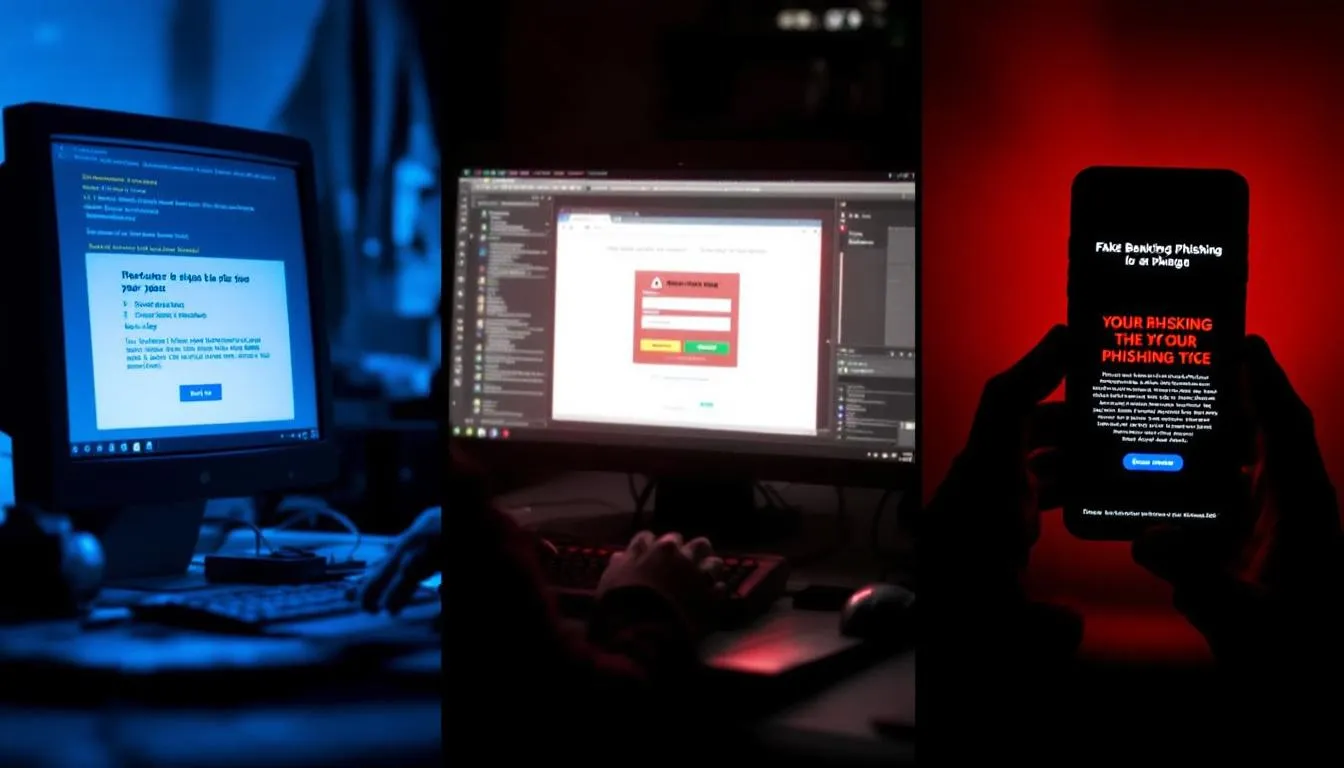
Phishing has evolved with increasingly sophisticated techniques, targeting a variety of entities, including financial institutions. Early attacks often involved fake emails from banks, designed to steal users' login credentials.
Today, phishing campaigns target users through social media and messaging platforms, making detection more difficult. Phishing also uses social engineering to trick victims into revealing information.
In summary
In summary, phishing is a pervasive threat that can affect anyone, at any time. Staying vigilant and informed is crucial to protecting yourself against this cybercrime. Phishing techniques are constantly evolving, making the protection of our personal data more important than ever.
Stay vigilant, use robust security measures, and share your knowledge to help protect others from phishing. Together, we can create a safer digital environment.
Our expertise
To further improve the prevention and detection of phishing attacks, companies can rely on specialized tools such as PhishTrackr by Intrinsec. Our platform allows you to simulate phishing campaigns, measure employee awareness, and strengthen cybersecurity culture through realistic and effective awareness programs. With PhishTrackr, organizations have a comprehensive solution to anticipate threats, assess their teams' readiness to deal with phishing attempts, and sustainably build resilience against social engineering.
Frequently Asked Questions
Why am I receiving phishing text messages?
You receive phishing text messages because spammers are able to access your phone number and use it to send you unwanted messages, often through automated techniques. It is essential to remain vigilant and not reply to these messages.
What are the most common signs of phishing?
The most common signs of phishing include emails from suspicious addresses, grammatical and spelling errors, and a sense of urgency that prompts quick action. It is crucial to remain vigilant for these indicators to avoid falling victim to phishing scams.
What is phishing?
Phishing is a scam using SMS or email that tricks victims into revealing their personal or banking information. These fraudulent techniques are constantly evolving and require increased vigilance.
Is it serious to click on a phishing link?
Clicking on a phishing link is indeed serious, as it can compromise your cybersecurity and expose your personal data to malicious threats. It is imperative to be vigilant in order to protect your information and devices.
How to recognize a phishing message?
To recognize a phishing message, be wary of offers that seem too good to be true, unexpected requests for personal information, and suspicious email addresses. Protect your safety by paying attention to these warning signs.